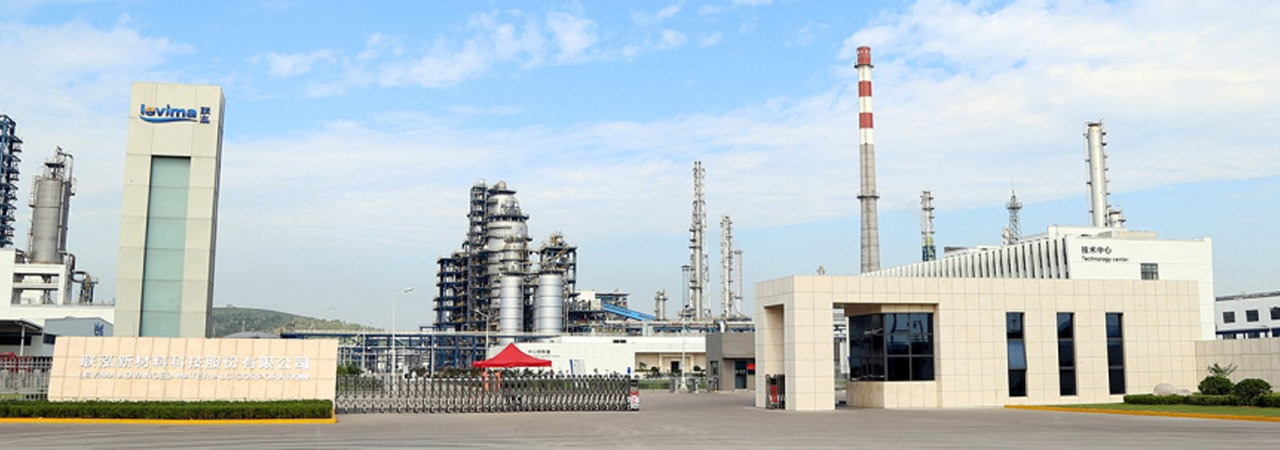
POE, short for thermoplastic polyethylene elastomer, is an indispensable key material in fields such as photovoltaic films and automotive lightweighting. For a long time, this market has been dominated by foreign companies, with import dependence once exceeding 90%. Lianhong Huisheng (Jiangsu) New Materials Co., Ltd.’s 100,000-ton-per-year thermoplastic polyethylene elastomer project is a significant step towards the industrialization of domestically produced POE. Located in Taixing Economic Development Zone, the project has a total investment of approximately 3.15 billion yuan, commenced construction in September 2024, and entered the trial production stage in May 2026.
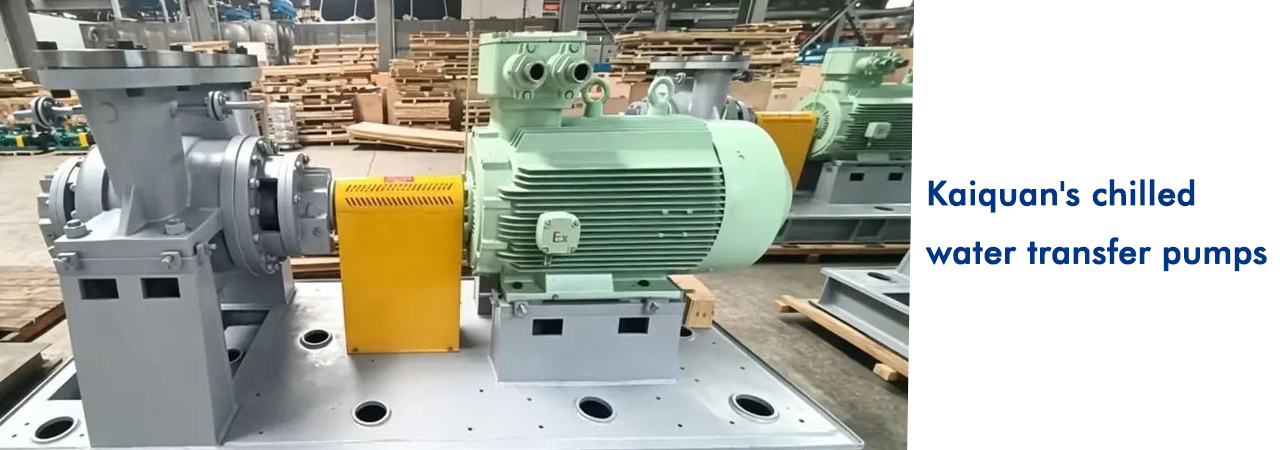
In this project, the chilled water transfer pump is one of the crucial pieces of equipment for the stable operation of the POE unit. It needs to overcome high cavitation risks and achieve long-term reliable operation under low-temperature conditions ranging from -5℃ to 10℃. Kaiquan equipped the project’s chiller station with process pumps using a BB2 structure to undertake the task of circulating and transporting low-temperature media.
Why choose BB2?
The first principle in equipment selection for chemical plants is reliability.
The chilled water transport of the POE unit faces several hard constraints: low-temperature media, high cavitation risk, and the need for long-term uninterrupted operation of the unit. Kaiquan’s chilled water transfer pumps adopt the API 610 standard BB2 structure—a horizontal, two-end supported, radially split, and centrally supported design.
This structure is mature in the petrochemical industry, exhibiting uniform thermal expansion and contraction, low radial force, and low vibration, making it suitable for continuous operation. The mechanical seal is configured according to the API 682 standard, adaptable to low-temperature media, and provides reliable sealing; the single-stage double-suction impeller reduces NPSH, meeting high-flow-rate requirements.
In May 2026, the first phase of the project entered the trial production stage. Kaiquan’s chilled water transfer pumps were delivered and entered on-site installation and commissioning.
More than just delivery: Dual optimization of efficiency and cost
Pump delivery is just the beginning; long-term operational economics are what customers truly care about.
Kaiquan’s chilled water transfer pumps have a measured efficiency of ≥83%, and with variable frequency control, the annual energy saving rate is expected to reach 10%-15%. Simultaneously, the long-life seal and easy-to-maintain structural design are expected to reduce annual maintenance costs by more than 25%.
Compared to imported products of the same type, Kaiquan’s solution is estimated to reduce procurement costs by approximately 25%-35% and shorten delivery time by approximately 50%. The second phase of the project plans a POE production capacity of 200,000 tons/year, bringing the total capacity to 300,000 tons/year upon completion. The chilled water pump solution provided by Kaiquan for the first phase can be directly reused in the second phase, effectively saving the owner time in selection and design.
Kaiquan, with API 610 standard pumps, serves the domestic POE industrialization strategy.